
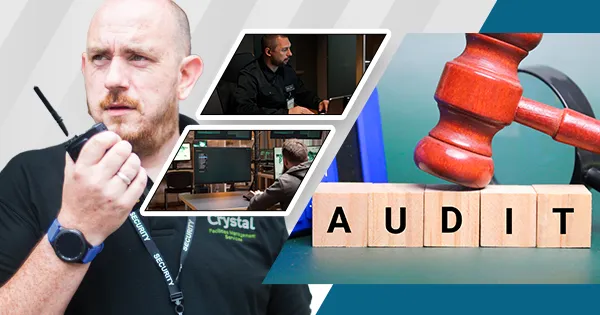
In today’s rapidly changing world, businesses must remain vigilant and proactive when it comes to security. A regular security assessment is an essential tool to help organisations identify vulnerabilities, assess risk, and implement effective countermeasures before issues escalate. These assessments not only safeguard people and assets but also build a culture of preparedness and resilience.
Why Security Assessments Matter
Security threats evolve constantly, and what was secure yesterday may be vulnerable today. Regular assessments ensure that security protocols remain updated, effective, and aligned with current industry standards. By identifying gaps in existing measures, organisations can take corrective actions before potential breaches occur. This proactive approach significantly reduces the likelihood of costly incidents such as theft, vandalism, or cyberattacks.
Comprehensive Protection Across All Areas
Security assessments encompass both physical and procedural evaluations, making them vital for facilities of all sizes. From checking access controls and surveillance systems to evaluating emergency response protocols, these assessments provide a holistic view of an organisation’s security posture. Engaging professional security services can further enhance this process by bringing in expert insight and real-time recommendations tailored to your operational environment.
Security and Cleanliness: A Unified Approach
Security isn’t only about guards and surveillance—it’s also about ensuring that the physical environment supports safety. For example, cluttered workspaces or poorly maintained premises can obscure visibility and create opportunities for security breaches. A tidy and well-maintained facility deters unauthorised activity and promotes a sense of order. Integrating building maintenance into your security plan ensures that both structure and function are prioritised, providing a safer environment for everyone.
Empowering Employees and Enhancing Awareness
Security assessments don’t just focus on systems—they also involve the people who use them. Regular training and security awareness sessions empower staff to identify suspicious behaviour, follow protocols, and respond appropriately during emergencies. Encouraging this active participation turns every employee into a vital part of the security infrastructure.
Conclusion
Incorporating regular security assessments into your business strategy is a wise and forward-thinking decision. By identifying weaknesses early, implementing targeted solutions, and maintaining a secure and clean environment, businesses can significantly reduce risk and protect what matters most. Stay ahead of potential threats—because in security, prevention is always better than cure.
About The Author