
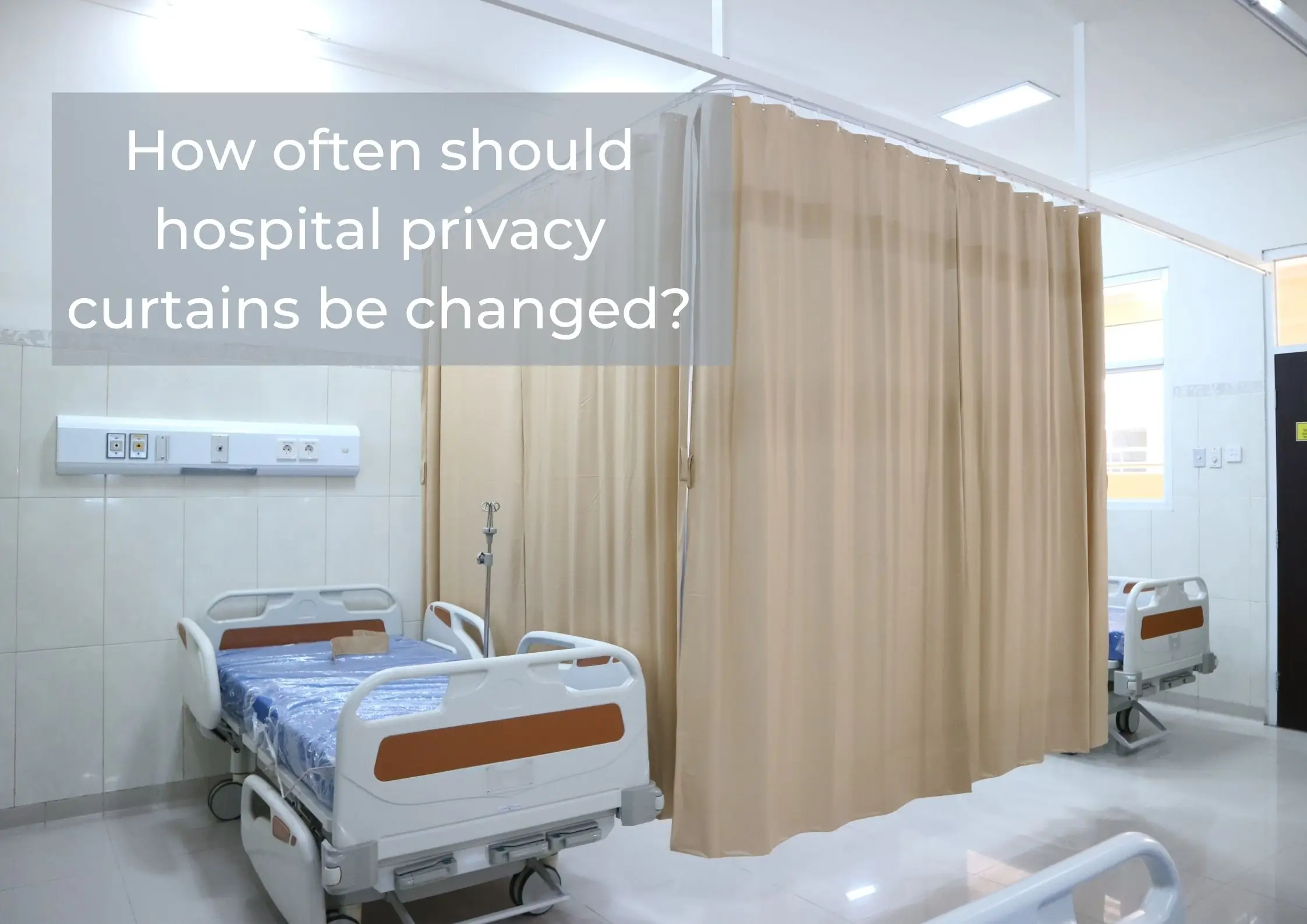
Hospital privacy curtains are an essential part of maintaining patient dignity and preventing the spread of infections. These curtains are frequently touched by staff, patients, and visitors, making them potential carriers of harmful pathogens if not cleaned or replaced regularly.
The Importance of Regular Curtain Changes
Research shows that hospital curtains can harbor bacteria within days of being installed. Regular changes and cleaning are vital to reduce the risk of cross-contamination and ensure patient safety.
Recommended Frequency for Curtain Changes
Most healthcare facilities follow guidelines suggesting curtains be changed every 3 to 6 months. However, in high-risk areas such as intensive care units, more frequent changes may be necessary.
Professional Disinfection Support
Relying on disinfection cleaning services helps hospitals maintain strict hygiene protocols by ensuring curtains and other high-touch surfaces are properly sanitized.
Specialist Cleaning for Healthcare Environments
Hospitals benefit from specialist cleaning services that address the unique needs of medical facilities, including infection control and compliance with healthcare regulations.
Conclusion
Changing hospital privacy curtains regularly is crucial for infection prevention. By combining routine replacements with professional disinfection and specialist cleaning, healthcare facilities can protect both patients and staff while maintaining a safe environment.
About The Author