

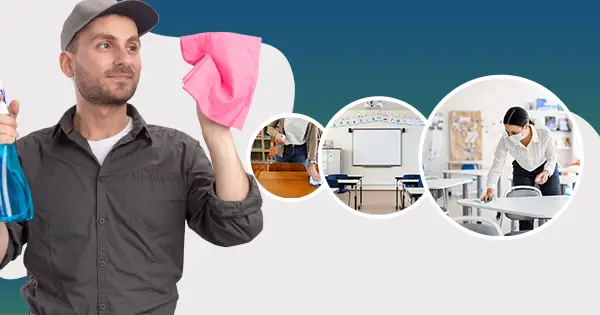
Maintaining a clean and hygienic classroom environment is vital for student health, focus, and overall well-being. A deep cleaning routine not only eliminates germs but also creates a more organized and productive space for learning. Below, we will explore effective strategies to deep clean your classroom and improve student health outcomes.
Why Deep Cleaning is Essential for Classrooms
Classrooms are high-traffic spaces where bacteria and allergens can easily spread. Regular surface cleaning is not enough to eliminate hidden dirt, dust, and microbes. A professional deep cleaning service ensures thorough sanitisation of all areas, including those often overlooked during routine cleaning.
Focus Areas During Classroom Deep Cleaning
- Desks and Chairs: Wipe down and disinfect all student and teacher desks, ensuring germs are removed from frequently touched surfaces.
- Floors: Deep clean carpets and mop hard flooring to remove dust, dirt, and allergens.
- Windows: Clean windows inside and out for better lighting and a healthier classroom environment.
- Storage Areas: Organize and disinfect shelves, cupboards, and storage bins to prevent dust accumulation.
Enhancing Student Health Through Disinfection
To minimize the spread of infections, schools should consider regular disinfection cleaning services. This service targets bacteria and viruses on high-touch surfaces like doorknobs, light switches, and computer equipment, significantly reducing the risk of illness outbreaks in classrooms.
Best Practices for Teachers and Staff
- Encourage students to wash their hands regularly with soap and water.
- Provide hand sanitizers at classroom entrances.
- Implement a schedule for routine cleaning of shared classroom items.
- Ventilate classrooms by opening windows or using air purifiers to improve air quality.
Long-Term Benefits of a Clean Classroom
A thoroughly cleaned and well-maintained classroom environment improves concentration, reduces absenteeism, and promotes a healthier school community. Deep cleaning paired with disinfection ensures lasting cleanliness, boosting both student and teacher performance.
Conclusion
Deep cleaning classrooms is more than a hygiene task; it is an investment in student health and academic success. By incorporating strategies such as professional deep cleaning and scheduled disinfection, schools can create safe and healthy learning environments.