
Creating a secure environment in healthcare facilities is not just about installing cameras or hiring guards—it’s about building trust among patients, staff, and visitors. Effective security measures contribute significantly to patient care by providing a safe and stable atmosphere. In today’s complex healthcare landscape, safety and trust go hand in hand.
The Importance of Security in Healthcare Facilities
Healthcare settings often deal with vulnerable populations, sensitive information, and high-stress scenarios. Ensuring robust security is crucial to managing risks, preventing violence, protecting patient data, and deterring unauthorized access to restricted areas. Implementing professional security services in the UK can help create a more controlled and trustworthy environment.
Integrating Physical and Digital Security
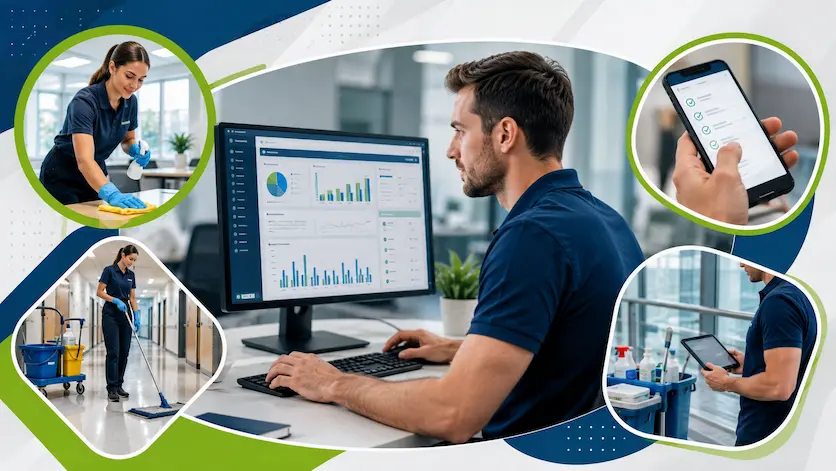
Security in healthcare settings is a balance between physical and digital systems. Surveillance, controlled access, trained personnel, and cybersecurity protocols must work together. This integrated approach helps protect both people and patient records from harm or misuse.
Staff Training and Emergency Preparedness
One of the most effective ways to strengthen security is through continuous staff training. Educating healthcare workers on how to respond to emergencies, recognize suspicious behavior, and handle security equipment can greatly improve safety outcomes. Drills and simulations should be conducted regularly to ensure everyone knows how to act during a crisis.
Maintaining Clean and Safe Environments
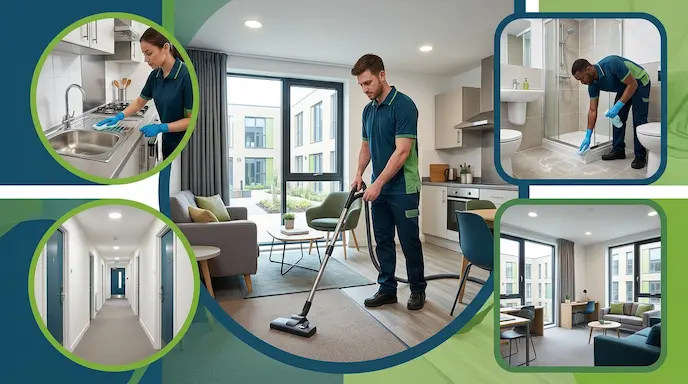
Security is also about maintaining a clean, orderly environment that reduces the risk of infections and promotes well-being. Regular and thorough cleaning practices, such as those provided through deep cleaning services in the UK, can play a vital role in infection control and contribute to a sense of security among patients and staff alike.
Building Trust with Patients and Staff
When patients feel safe, their trust in the facility and its staff naturally increases. This trust can improve patient satisfaction, adherence to treatment plans, and even recovery outcomes. Similarly, staff who feel protected are more likely to perform confidently and efficiently.
Conclusion
Incorporating strategic security measures in healthcare facilities is not just a regulatory requirement—it’s a moral obligation. By investing in comprehensive security protocols and maintaining hygienic environments, healthcare providers can foster a culture of safety and trust that benefits everyone involved.
About The Author