
A security team needs more than an arrival time and the venue address. An event security briefing should turn the organiser’s plan into clear instructions for the people working at entrances, guest areas and supplier access points. The organiser, venue and security provider should agree responsibilities before the event rather than resolve them at the door.
Describe the event and the assignment
Give the provider the programme, expected attendance, venue layout and details of activities that affect the security plan. Identify public and invitation-only areas, supplier routes and any changes between daytime and evening sessions.
Define each post by its purpose and responsibility. Checking a guest list, managing an admission decision and providing a security presence are not interchangeable tasks. The provider should assess the appropriate licensing and competence for each assignment.
Confirm the people and contact structure
Name the organiser’s decision-maker, venue duty manager and security supervisor. Agree how replacement staff or changes in the deployment list are handled. Check that the provider has a suitable process for verifying licences where required.
The SIA publishes event security supplier guidance, including due diligence and assignment instructions. Current licence status can be checked through the official SIA register. A badge photograph alone is not a complete staffing assurance process.
Prepare a concise briefing pack
- Current venue plan with agreed access and restricted zones.
- Programme, opening times and expected guest arrival pattern.
- Assignment instructions and named supervisor.
- Guest, supplier and staff admission arrangements.
- Radio or telephone contact structure and escalation process.
- Venue emergency arrangements and the relevant responsible contacts.
- Incident reporting and end-of-shift handover requirements.
Distribute operational details only to the people who need them. Public-facing event material should not expose sensitive security arrangements.
Reconcile instructions with the venue
An organiser’s preferred entry process must fit the venue’s rules and the event’s approved arrangements. Resolve disagreements before doors open. Confirm how late changes are communicated and who may authorise them.
Walk the relevant areas with the supervisor where practical. A plan is useful, but a shared understanding of the actual doors, reception position and supplier route helps avoid confusion. Do not invent a fixed guard-to-guest ratio: staffing needs a competent assessment of the event.
Include the finish, not just the opening
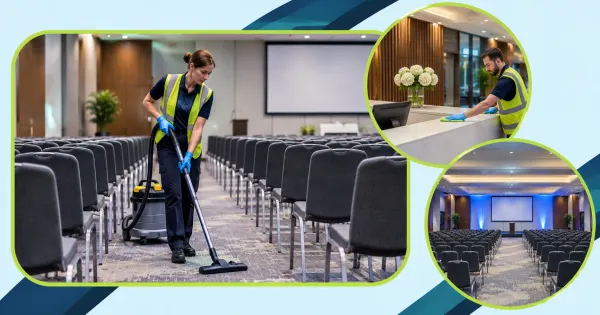
Agree the responsibilities during guest departure and supplier breakdown. Confirm when the security assignment ends and who accepts the handover. Include cleaners and other contractors in the coordination process where their work overlaps.
Our event cleaning service can be discussed alongside the venue programme so access and cleaning tasks are planned together. Hold a short debrief after the event and retain actions that will improve the next booking.
Frequently asked questions
Can the same briefing be reused for every event?
Use a template, but update the venue, programme, roles and contacts each time. Previous instructions may not reflect the current event.
Does a guest list replace a security plan?
No. It supports admission arrangements but does not define wider responsibilities, communications, escalation or handover.
Discuss your site requirements
For help applying this plan to your premises, explore Crystal’s event security services. Share your location, access arrangements and scope through our enquiry form so the team can discuss a suitable service.
About The Author