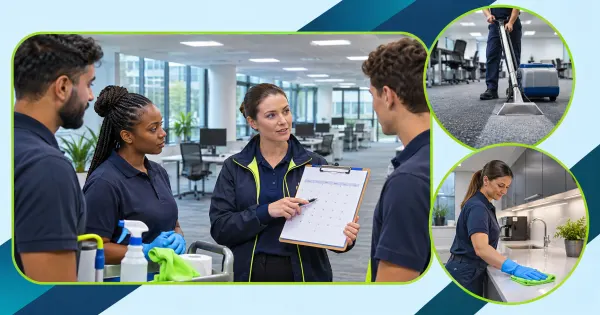

Move-in day is the one deadline in student accommodation that cannot move. Students arrive on a fixed date whether the rooms are ready or not, and the first thing they and their parents judge is whether the room is clean. A room that isn’t check-in ready produces day-one complaints, refund requests and reviews that follow the building into next year’s re-lettings. This checklist covers what “ready” actually means, room by room and building-wide, so nothing gets missed in the rush.
Quick answer: A room is move-in ready when it has been deep-cleaned to a check-in standard, all maintenance and safety checks are signed off, and it’s been inspected against a written checklist. That means bedroom, en-suite/bathroom, kitchen and communal areas cleaned and sanitised; mattress, windows, floors and high-touch points done; consumables and welcome items in place; and a final walk-through recorded per room. The goal is zero unready rooms on arrival day.
Why move-in readiness is a commercial issue, not housekeeping
Whatever the occupancy level, the arrival date is a hard, immovable line. Miss it and the consequences are immediate and public: students standing in reception while a room is finished, first-week complaints, and the reputational damage that feeds straight into whether the building fills next year. Readiness is really the end product of the summer turnaround — the point where all the void cleaning, maintenance and inspection has to come together, room by room, on time. Treating it as a scheduled, inspected operation rather than a last-minute scramble is what separates the schemes that cope from the ones that don’t.
The room-by-room checklist
Bedroom
- Full dust and wipe-down: surfaces, shelves, wardrobe inside and out, desk, skirtings and ledges
- Mattress inspected and cleaned according to its care instructions; turn only where the manufacturer recommends it; bed frame wiped
- Floors vacuumed and/or hard floor mopped; carpet extraction where needed
- Windows cleaned inside, sills and frames wiped; blinds dusted
- High-touch points cleaned using a suitable method: door handles and switch plates; follow electrical-equipment instructions and keep liquids out of sockets
En-suite / bathroom
- Toilet, shower, basin and taps deep-cleaned, descaled and sanitised
- Tiles, grout and glass screens cleaned; mould/limescale treated
- Extractor and drains checked and clear; mirror polished
- Floor sanitised; consumables (paper) stocked if provided
Kitchen / communal areas
- Oven, hob, extractor and microwave degreased inside and out
- Fridge/freezer emptied, defrosted, cleaned and sanitised
- Cupboards, worktops, sink and splashbacks cleaned; bins emptied and fresh liners
- Corridors, stairs, lifts and social spaces cleaned; entrance glass done
What to record on the room acceptance sheet
A useful record identifies the building, room number, inspection date, agreed cleaning specification and inspector. Mark each task as passed, needs attention or not applicable. A single tick for the whole room can hide an unfinished kitchen, a wet carpet or a maintenance defect.
- Cleaning result: list the areas checked, any re-clean required and the person responsible for completing it.
- Maintenance referral: record damage, leaks or equipment faults separately; a cleaning team should not certify technical safety checks.
- Evidence: use dated photographs only where permitted, avoiding personal belongings, resident documents and identifiable people.
- Release decision: record who accepted the room and when; re-open the record if later maintenance affects the clean.
For shared flats, record kitchen and corridor acceptance separately from bedroom acceptance. Check the arrival route again after contractors leave. Agree how the reception team will receive the final room-status list so an unresolved snag is not mistaken for an accepted room.
Adapt this suggested checklist to the residence and its applicable standards. Universities UK explains the accommodation code and how to check institutional participation; this article is not a certification of a building. For delivery planning, see our summer turnaround guide and student accommodation cleaning service.
Building-wide sign-off, not just rooms
Readiness isn’t only the bedrooms. The journey a student takes on arrival day — entrance, reception, lift, corridor, flat door, room — all has to look cared for, because first impressions are formed long before they reach their door. Bin stores and refuse areas should be clean and clear, external entrances and signage presentable, and communal kitchens and social spaces reset. It’s worth walking the arrival route as a student would and cleaning to that experience, not just to the room list.
Inspect, record, and hold a snag list
The final and most-skipped step is a recorded inspection. Every room should get a walk-through against the checklist before it’s marked ready, with anything outstanding logged as a snag and closed off before arrival. A per-room record does three things: it supports a dated condition record for later queries, it stops rooms being “assumed done”, and it gives you a live picture of how many rooms are genuinely ready versus outstanding as the deadline approaches. Sequencing the turnaround block by block and inspecting as you go is how large schemes clear high volumes without a last-day panic.
All of this is part of a properly planned summer turnaround, where cleaning, maintenance and inspection are mapped and resourced against the check-in date. If you’d rather have that run as a managed operation, it’s the core of a summer void turnaround and ongoing student accommodation cleaning contract.
Want move-in day handled without the scramble?
We plan and resource the summer turnaround room by room, cleaning to a check-in standard against your arrival date — with per-room inspection sign-off.
Request your free quoteor call 020 8993 3831
Frequently asked questions
What does “move-in ready” mean for a student room?
A room is move-in ready when it has been deep-cleaned to a check-in standard, all maintenance and safety checks are signed off, and it has passed a recorded inspection against a written checklist. In practice that means the bedroom, en-suite or bathroom, kitchen and communal areas are cleaned and sanitised, mattress, windows, floors and high-touch points are done, any consumables or welcome items are in place, and a final per-room walk-through has confirmed there are no outstanding snags before arrival day.
Why is move-in day so critical for operators?
Because the arrival date cannot move — students turn up on a fixed day whether rooms are ready or not. An unready room produces immediate, public consequences: students waiting in reception, first-week complaints, refund requests and negative reviews that carry into the next year’s re-lettings. When arrivals are already booked, that’s a commercial and reputational problem, not just a housekeeping one, which is why readiness should be planned and inspected rather than left to a last-minute rush.
What’s the most commonly missed part of move-in readiness?
The recorded per-room inspection, and the arrival-route areas outside the bedrooms. Rooms often get “assumed done” without a documented walk-through, so snags slip through to arrival day. And teams focused on bedrooms can neglect the entrance, reception, lifts, corridors and bin stores that shape a student’s first impression before they reach their door. Walking the route as a student would, and signing off each room against a checklist, closes both gaps.
How far ahead should the turnaround start?
The turnaround should be mapped and resourced months ahead, then delivered across the summer void so that cleaning, maintenance and inspection all converge before the fixed check-in date. Operators who plan the void as a logistics exercise — sequencing work block by block and floor by floor — hit their arrival date reliably. Those who treat it as a summer scramble are the ones fielding complaints in week one, so the earlier it’s planned and scheduled, the safer move-in day is.
Should kitchens and communal areas be deep-cleaned too?
Yes — communal spaces are where student satisfaction is most often won or lost. For move-in that means oven, hob, extractor and microwave degreased, fridge/freezer emptied and sanitised, cupboards, worktops and sinks cleaned, bins emptied with fresh liners, and corridors, stairs, lifts and social spaces reset. A spotless bedroom next to a greasy shared kitchen still reads as “not ready”, so communal deep-cleaning is part of a proper check-in standard, not an optional extra.
About The Author